

Introduction
Plastic has become an essential material in modern life because of its durability, versatility, and affordability. However, the growing volume of plastic waste has created significant environmental challenges, including pollution of land, rivers, and oceans. Reusing and recycling plastic materials are among the most effective ways to reduce waste, conserve natural resources, and lower greenhouse gas emissions.
By adopting sustainable practices, industries, governments, and consumers can work together to build a circular economy where plastics remain in use for as long as possible instead of becoming waste.
Key Strategies for Reducing Plastic Waste
Effective plastic waste management begins with responsible consumption and efficient recycling practices.
Reduce Single-Use Plastics
One of the simplest ways to lessen plastic pollution is to reduce the use of disposable plastic products such as shopping bags, drinking straws, water bottles, and food packaging. Replacing these items with reusable alternatives significantly decreases plastic waste generation and lowers environmental impact.
Recycle Plastic Materials
Recycling converts discarded plastic into valuable raw materials that can be used to manufacture new products. This process conserves natural resources, reduces energy consumption compared to producing virgin plastics, and minimizes the amount of waste sent to landfills or released into the environment.
Encourage Upcycling and Repurposing
Upcycling transforms used plastic products into items with greater value or a new purpose. Repurposing plastic into furniture, construction materials, household products, or decorative items extends its useful life while reducing demand for newly manufactured plastics.
Understanding Recyclable Plastics
Different plastic materials possess unique properties that determine how easily they can be recycled. Correct identification is essential for improving recycling efficiency.
| Plastic Type | Common Applications | Recyclability |
|---|---|---|
| PET (Polyethylene Terephthalate) | Water bottles, beverage containers, food packaging | Highly recyclable and widely accepted |
| HDPE (High-Density Polyethylene) | Milk containers, detergent bottles, household chemical containers | Easily recyclable into new containers and piping |
| PVC (Polyvinyl Chloride) | Pipes, window frames, flooring | Difficult to recycle due to additives and chemical composition |
| LDPE (Low-Density Polyethylene) | Plastic bags, films, squeeze bottles | Recyclable but accepted by fewer facilities |
| PP (Polypropylene) | Food containers, bottle caps, yogurt cups | Increasingly recyclable depending on local infrastructure |
Plastic Identification and Classification
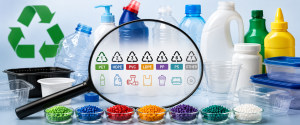
Most plastic products display a resin identification code, commonly known as the recycling symbol, usually located on the bottom of the container.
These codes identify the type of plastic resin used in manufacturing and help recycling facilities sort materials accurately. Proper classification improves recycling efficiency, reduces contamination, and increases the quality of recycled materials.
Challenges of Mixed and Composite Plastics
One of the biggest obstacles in plastic recycling is the presence of mixed-material or composite plastics.
Many modern products combine multiple plastic types or include additional materials such as aluminum, paper, or adhesives. These complex structures are difficult to separate during recycling, making processing more expensive and less efficient.
Developing advanced recycling technologies and designing products for easier recyclability are essential to overcoming this challenge.
Innovative Approaches to Plastic Reuse
Technological advancements are creating new opportunities to recover and reuse plastic waste more efficiently.
Mechanical Recycling
Mechanical recycling is currently the most widely used plastic recycling method.
The process generally involves:
- Collecting plastic waste
- Sorting materials by resin type
- Washing to remove contaminants
- Shredding into small flakes
- Melting and remolding into new products
Mechanical recycling conserves raw materials while reducing landfill waste and energy consumption.
Chemical Recycling
Chemical recycling breaks plastic polymers down into their original chemical building blocks.
These recovered chemicals can then be used to manufacture new plastics or other valuable industrial products. Chemical recycling is particularly beneficial for plastics that are contaminated, mixed, or unsuitable for traditional mechanical recycling.
Energy Recovery
Some plastic waste that cannot be economically recycled can be converted into energy through controlled thermal processes.
Although recycling remains the preferred option, energy recovery reduces landfill disposal and allows the remaining energy stored within plastics to be utilized responsibly.
Sustainable Practices for Businesses and Consumers
Industry Initiatives
Manufacturers play a vital role in reducing plastic waste by adopting sustainable production methods.
Many companies are investing in:
- Recyclable packaging designs
- Closed-loop recycling systems
- Increased use of recycled plastic resins
- Eco-friendly manufacturing technologies
- Waste reduction programs
Corporate sustainability initiatives not only benefit the environment but also improve brand reputation and customer trust.
Consumer Participation
Consumers are equally important in creating a successful recycling system.
Individuals can contribute by:
- Properly separating recyclable plastics
- Choosing products with minimal packaging
- Carrying reusable shopping bags and bottles
- Supporting brands that use recycled materials
- Participating in local recycling programs
Small daily actions by millions of consumers collectively create a significant positive environmental impact.
Government Policies and Regulations
Effective policies encourage responsible plastic management and accelerate the transition toward a circular economy.
Global Standards
Many countries have introduced regulations that promote plastic recycling, restrict certain single-use plastics, and encourage manufacturers to increase recycled content in their products.
International standards also help improve recycling consistency and support global sustainability goals.
Legislative Support for Plastic Reuse
Government regulations can increase plastic reuse rates by encouraging manufacturers to incorporate recycled plastics into production.
Policies such as Extended Producer Responsibility (EPR), recycling targets, deposit-return schemes, and plastic taxation motivate businesses to invest in better recycling infrastructure and sustainable product design.
These measures reduce dependence on virgin plastic production while increasing demand for recycled materials.
Building a Circular Plastic Economy
A circular economy focuses on keeping materials in use for as long as possible through reuse, repair, recycling, and remanufacturing.
Instead of treating plastics as disposable products, a circular system views them as valuable resources that continuously circulate within the economy.
Achieving this vision requires collaboration among manufacturers, policymakers, waste management organizations, researchers, and consumers.
Conclusion
Reducing the environmental impact of plastics requires a combination of responsible consumption, effective recycling systems, innovative technologies, and supportive government policies. Reusing plastic materials through mechanical recycling, chemical recycling, and creative upcycling conserves valuable resources while reducing pollution and landfill waste. Businesses can contribute by designing recyclable products and increasing recycled content, while consumers play an equally important role by choosing reusable alternatives and participating in recycling programs. Together, these collective efforts support the transition toward a circular economy, ensuring that plastic remains a valuable resource rather than an environmental burden for future generations.